
About Us
Loading
WildWings Singapore started in 2021 as a shared field notebook between three friends who spent most of their weekends walking the boardwalks at Sungei Buloh and hiking the trails around Bukit Timah. We kept recording species counts, noting habitat conditions, and testing different optics configurations for the dense tropical environment.
Over time, those notes grew into something worth sharing. This site collects our first-hand observations and practical advice for anyone looking to explore Singapore's bird life, whether you are visiting for a weekend or have lived on the island for years.
We do not sell equipment or guided tours. Our goal is straightforward: provide accurate, field-tested birding information for Singapore's key reserves. Every article reflects time actually spent at the locations we describe.

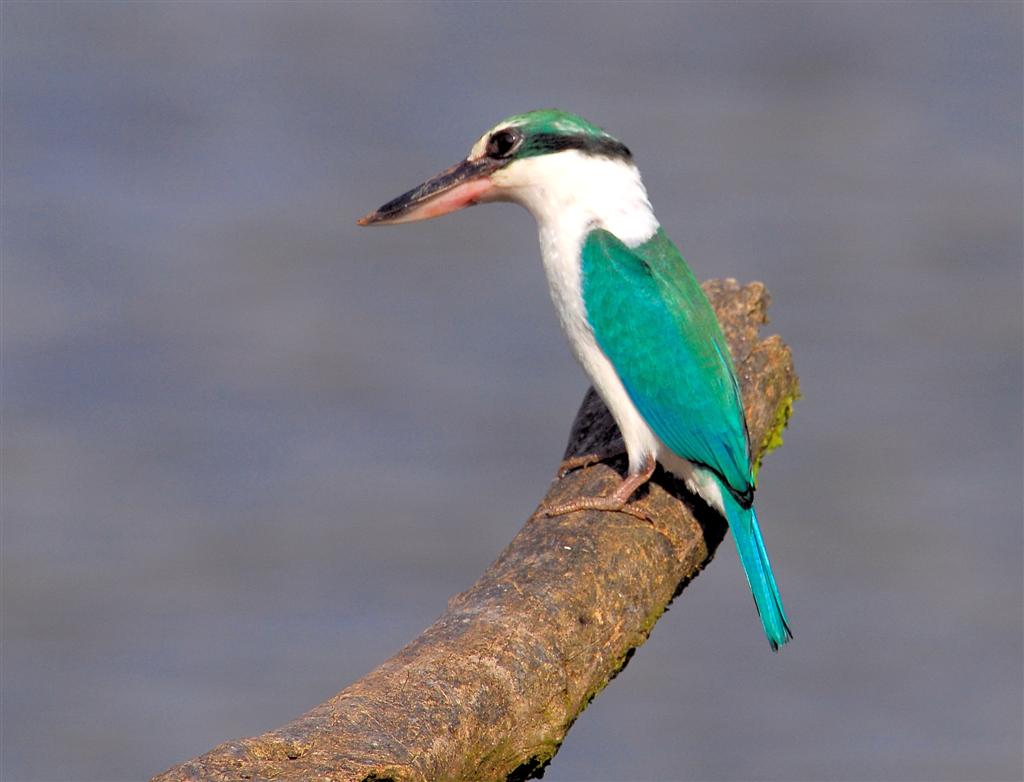
Our content focuses exclusively on bird watching in Singapore. We write about the places we know from repeated visits, the gear we have used in tropical conditions, and the seasonal patterns we have tracked over multiple years.
We reference authoritative sources including National Parks Board (NParks), eBird, and the Nature Society (Singapore) for species data and conservation status.

Every guide on this site is based on repeated personal visits. We do not rewrite second-hand sources or compile lists from other websites. When we describe a trail route, we have walked it. When we recommend a viewing platform, we have spent hours watching from it across different seasons.
Species identification follows the taxonomy and nomenclature used by the Cornell Lab of Ornithology via eBird. Conservation status references come from the IUCN Red List.
If you spot errors in our guides or have sighting data to contribute, reach out through our contact page. We update articles quarterly based on field conditions and community feedback.