Loading
From the mangrove channels of Sungei Buloh to the ancient rainforest canopy at Bukit Timah, Singapore shelters over 400 bird species across a remarkably compact landscape.
Start ExploringIn-depth guides written by experienced local birders who have spent years documenting species across the island's diverse ecosystems.
Navigate Singapore's premier wetland sanctuary, home to migratory shorebirds, resident kingfishers, and elusive mangrove species.
Read Guide
Discover the bird life hidden within one of the few remaining patches of primary tropical rainforest in the heart of Singapore.
Read Guide
A practical comparison of binoculars, spotting scopes, and camera setups tested in the humid tropical conditions of Singapore.
Read Guide
Despite its small land area of just 733 square kilometres, Singapore records over 400 bird species annually. The island sits along the East Asian-Australasian Flyway, making it a crucial stopover for millions of migratory birds each year.
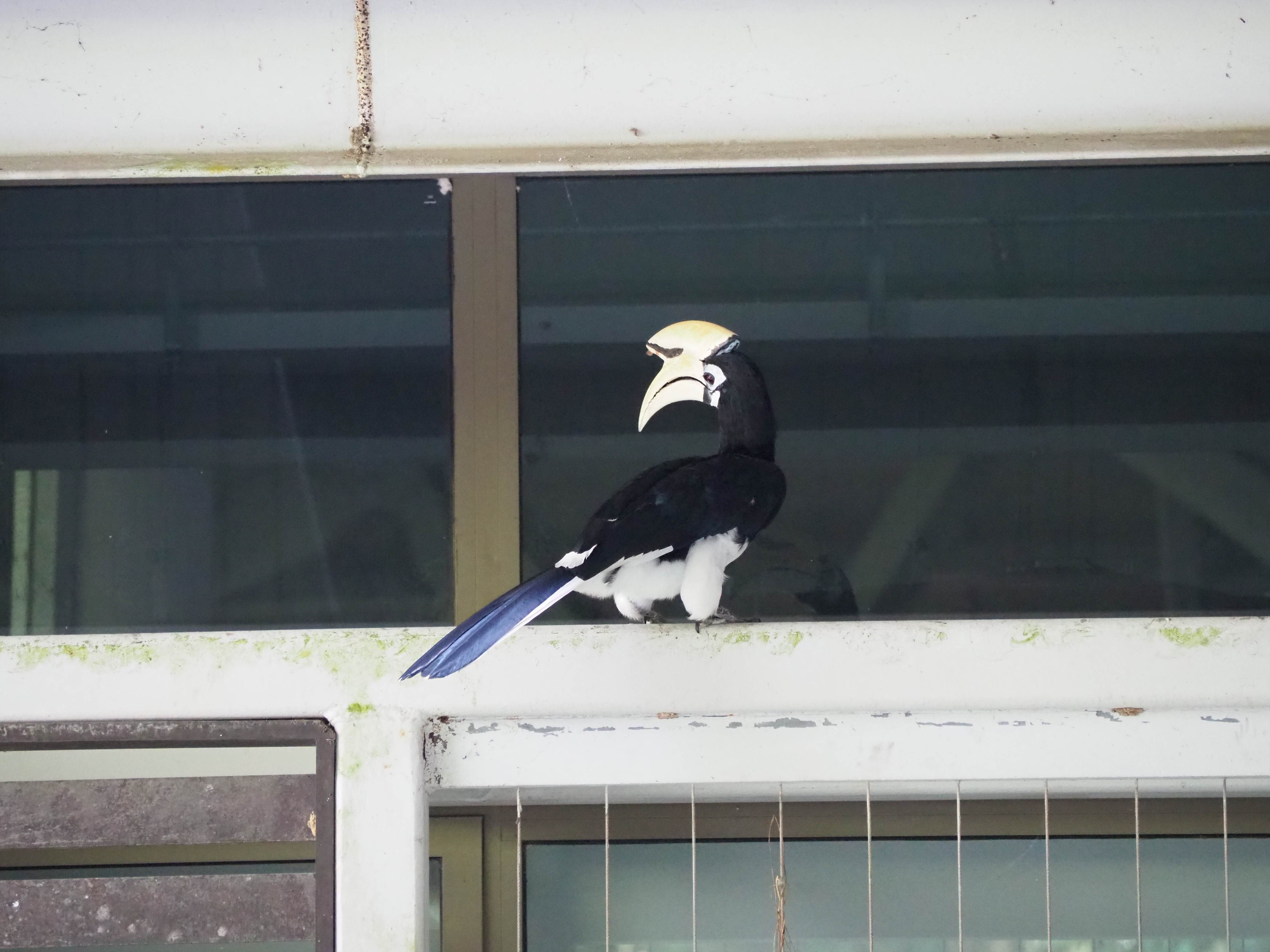
Resident species range from the charismatic Oriental Pied Hornbill to the elusive Straw-headed Bulbul, one of the most endangered songbirds in Southeast Asia. Wetland parks and forest reserves provide surprisingly rich habitats minutes from the city centre.
Unique factors that make this city-state a surprisingly rewarding destination for birders of all levels.
Positioned on the East Asian-Australasian Flyway, Singapore receives waves of migratory shorebirds, raptors, and passerines between September and April.
From coastal mudflats and mangrove forests to primary rainforest and freshwater marshes, multiple ecosystems exist within a 30-minute drive.
All major birding sites connect via public transport. Well-marked boardwalks and observation hides make the hobby accessible for beginners and experts alike.
An active birding community shares sighting reports through eBird and local forums, helping visitors target specific species with up-to-date location data.
Each period brings different species and behaviours. Planning your visit around these windows dramatically improves your chances.
The peak season. Arctic-breeding shorebirds arrive at Sungei Buloh in large flocks. Common Greenshanks, Pacific Golden Plovers, and Whimbrels feed on the mudflats. Raptors like the Japanese Sparrowhawk pass through in October.
Migratory birds head north in breeding plumage. Shorebirds display vibrant rufous and black patterns rarely seen during the non-breeding season. Blue-tailed Bee-eaters stage through the island's open areas.
Resident species nest actively. Oriental Pied Hornbills raise chicks in tree cavities at Pulau Ubin. Herons and egrets form mixed colonies at the Singapore Botanic Gardens heronry. Dawn choruses are at their richest.
The first returning migrants signal the start of the new season. Juvenile waders and early adult shorebirds appear on coastal mudflats. Common Sandpipers are typically among the earliest arrivals at Sungei Buloh.
Singapore's bird list includes several regionally significant species. The White-bellied Sea Eagle patrols the coastline and mangrove channels, while the critically endangered Straw-headed Bulbul still sings from the forested areas of the Central Catchment.
Birders visiting between October and February can expect to log 80-120 species in a focused weekend, combining wetland sites with forest reserves and coastal parks.
Explore Sungei Buloh